Founding Collection
DO2ON Garden
Wuhan, China
Photograph courtesy of DO2ON Garden.
Where contemporary art, design, and technology meet.
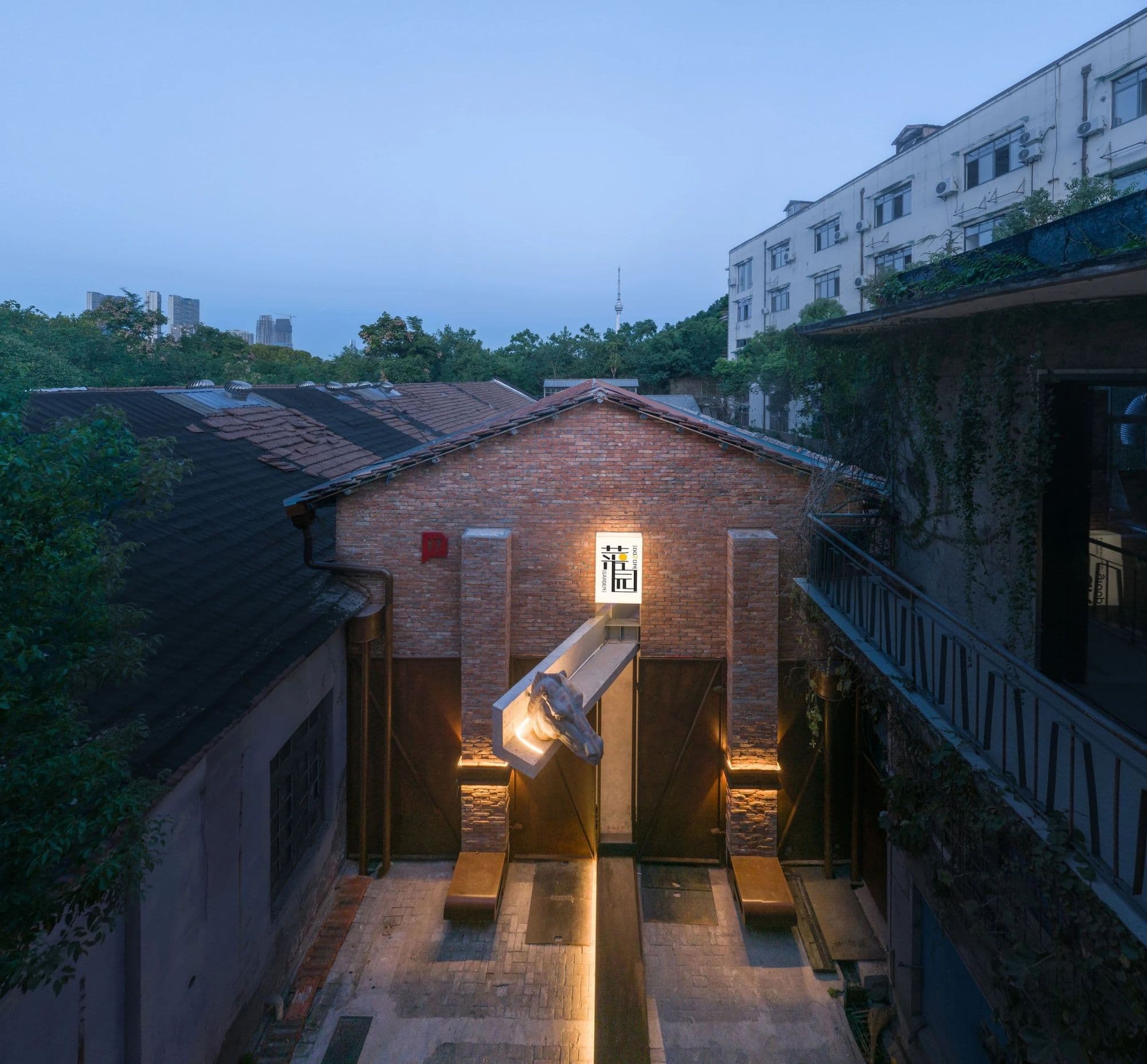
DO2ON Garden was founded by renowned collector Jiao Jingjia and is situated on the historic site of the Hanyang Arsenal factory, established in the late Qing Dynasty by Zhang Zhidong. Today, it occupies the former factory building No. 17 within the vibrant “Hanyangzao” Cultural and Creative Park in Wuhan, China.
Dedicated to the exploration and promotion of the intersection between contemporary art and cutting-edge technology, DO2ON Garden champions multidisciplinary practices that integrate art, design, and technological innovation. It serves as a dynamic platform where architectural space, design language, and artistic expression converge to create immersive and experimental environments.
The Garden showcases a diverse range of contemporary art forms, including paintings, sculptures, installation art, kinetic and electronic works, video art, and performance. Its collection is notable for its density and layered complexity, fostering a unique ecosystem where individual artworks dissolve boundaries to form a rich, interconnected dialogue. DO2ON Garden invites visitors and creators alike to experience a continually evolving landscape of creativity, where innovation meets tradition, and diverse artistic voices resonate in harmony.
The founding collection of LFC.
DO2ON Garden is a co-initiator of LFC. Together we share one aim: to open, gradually and from the vantage point of an Asian collection, a contemporary art world that anyone can walk into, while keeping the language and the thinking professional.
The collection opens a living archive for study, while authorship, context, and access conditions remain protected. 621 records are catalogued so far, and the archive continues to grow as further materials are reviewed and published.
Browse the CollectionLearning begins with a real collection context.
This video introduces the learning relationship between LFC and DO2ON Garden, framing the archive as a site for looking, questioning, and collection-based study.