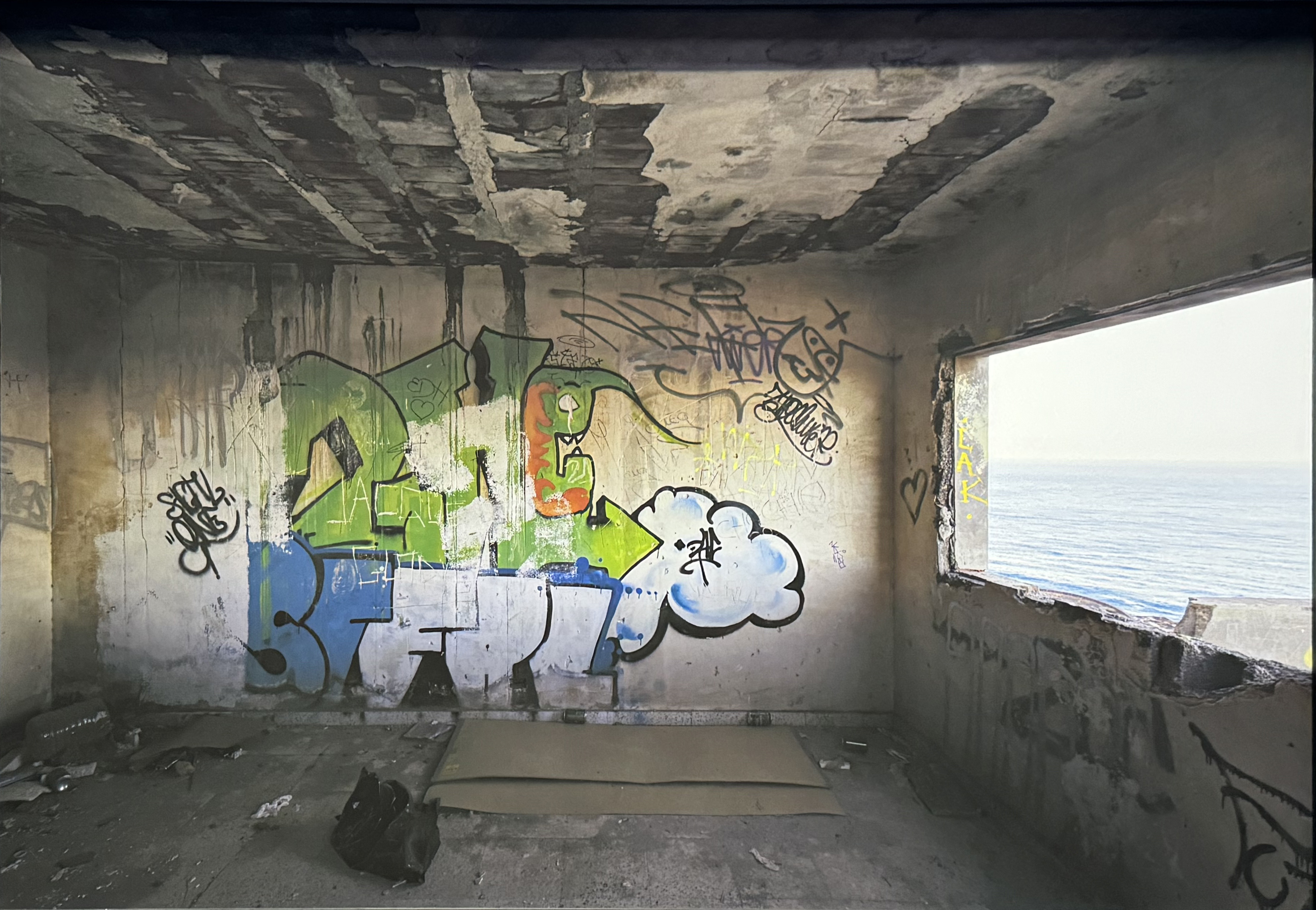
I see the image.
A first impression is real. It is only the beginning.
Thinking Paths
This is not a course and not a list of answers. It is a quiet path from first looking to a stronger way of seeing.
Begin with one work on the wall. Before interpretation, notice the clues around it.
Enter Path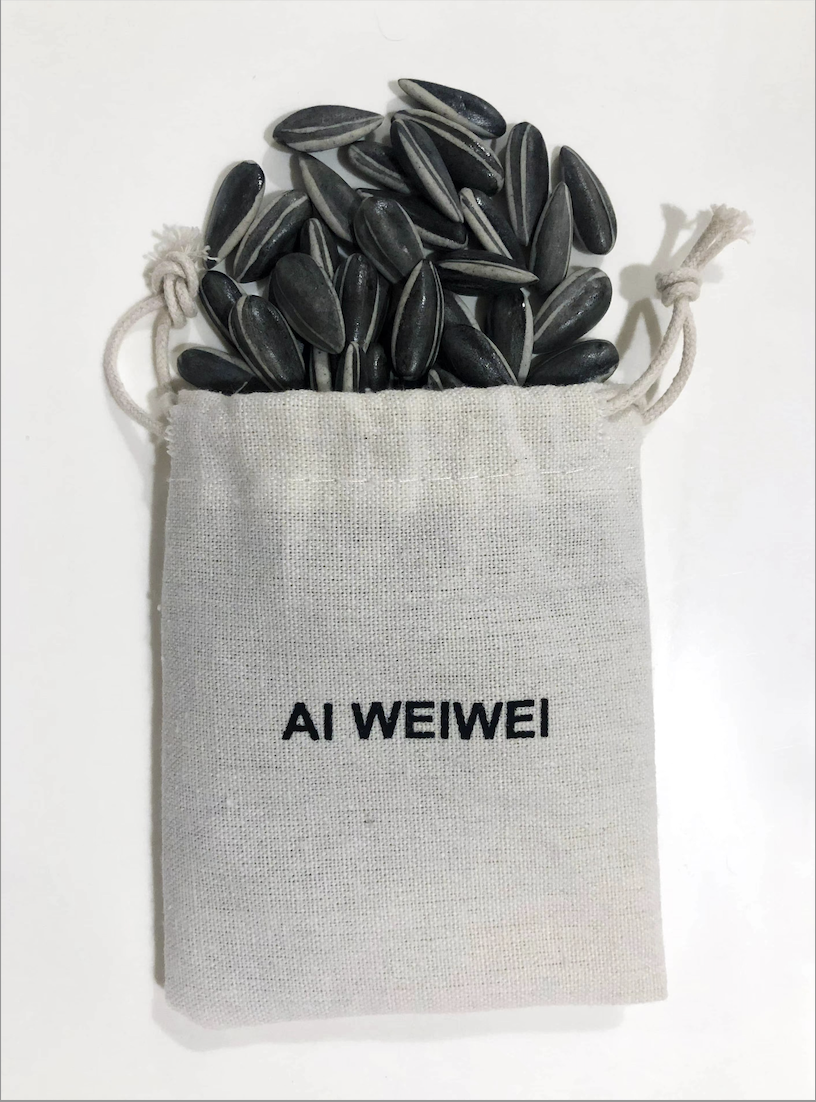
Sunflower Seeds
2009–2010 / Hand-painted Porcelain, Hemp SackA label does not solve the work. It gives the first pieces of evidence.
Hover the wall. The work, label, and context note become a first path into looking.
No choice is wrong. Each one opens a different path into the work.
Professional viewers do not stop at the image. They gather clues, then connect them.
A first impression is real. It is only the beginning.
Medium is not only material. It changes time, body, access, and attention.
There is no final answer here. A stronger interpretation begins when you can name what changed in your looking.
Explore the ideas that shaped how artists see the world.
Enter Artist MindsetQuestion Path begins with curiosity. Artist Mindset begins with a way of thinking.
Removing unnecessary elements can make an idea stronger.
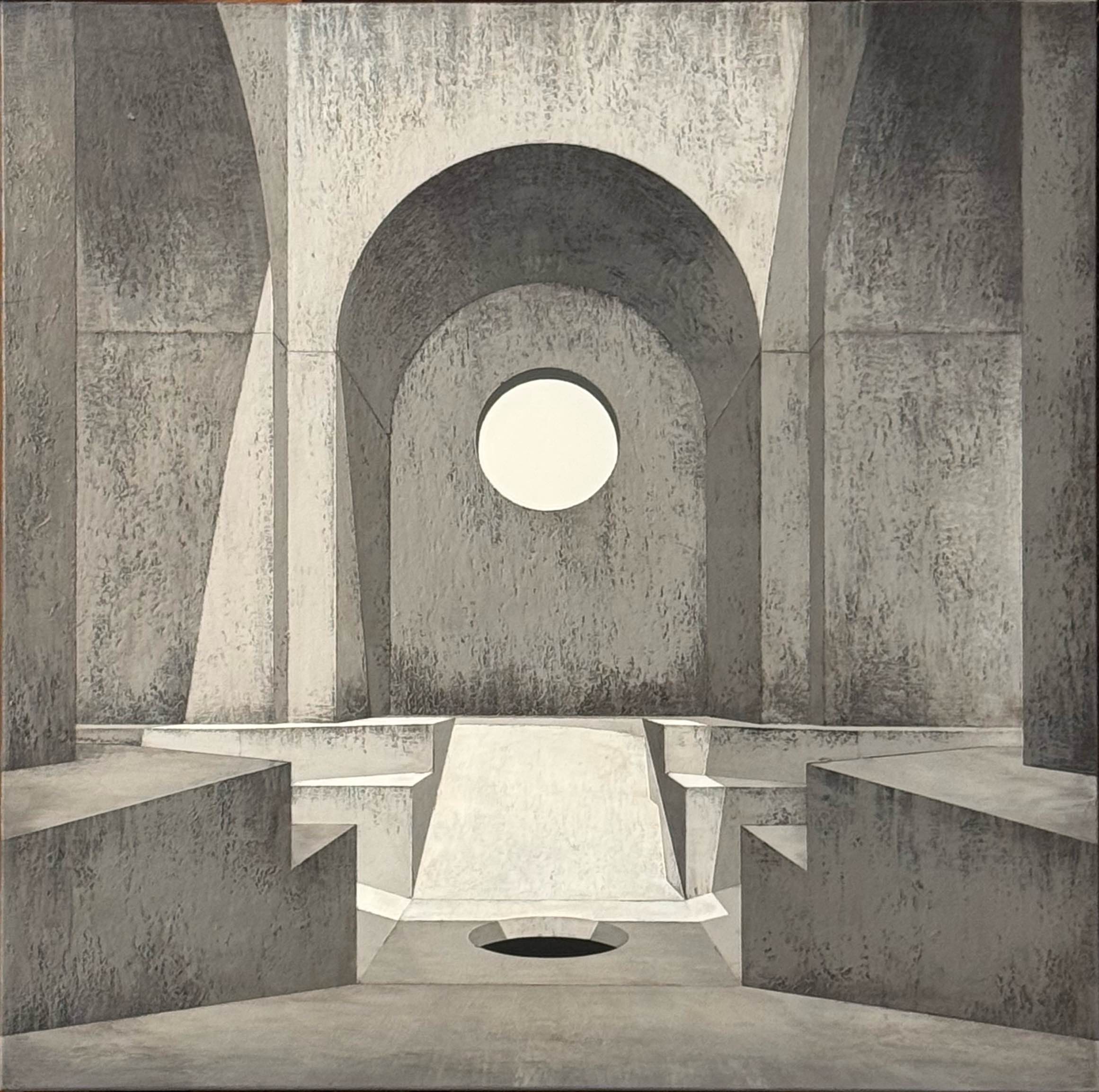

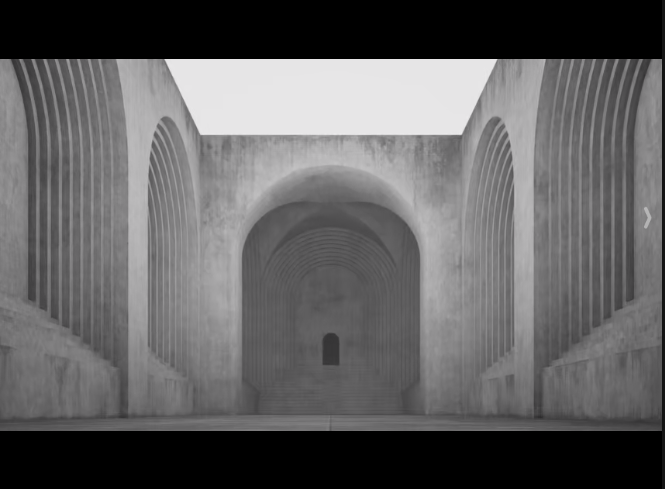
Is simplicity easier or harder than complexity?
Create something powerful using fewer elements.
Creativity belongs to everyone, not only professional artists.


Can actions, ideas, or communities become artworks?
Create an artwork that changes something around you.
Colour is about perception. Even darkness contains colour.
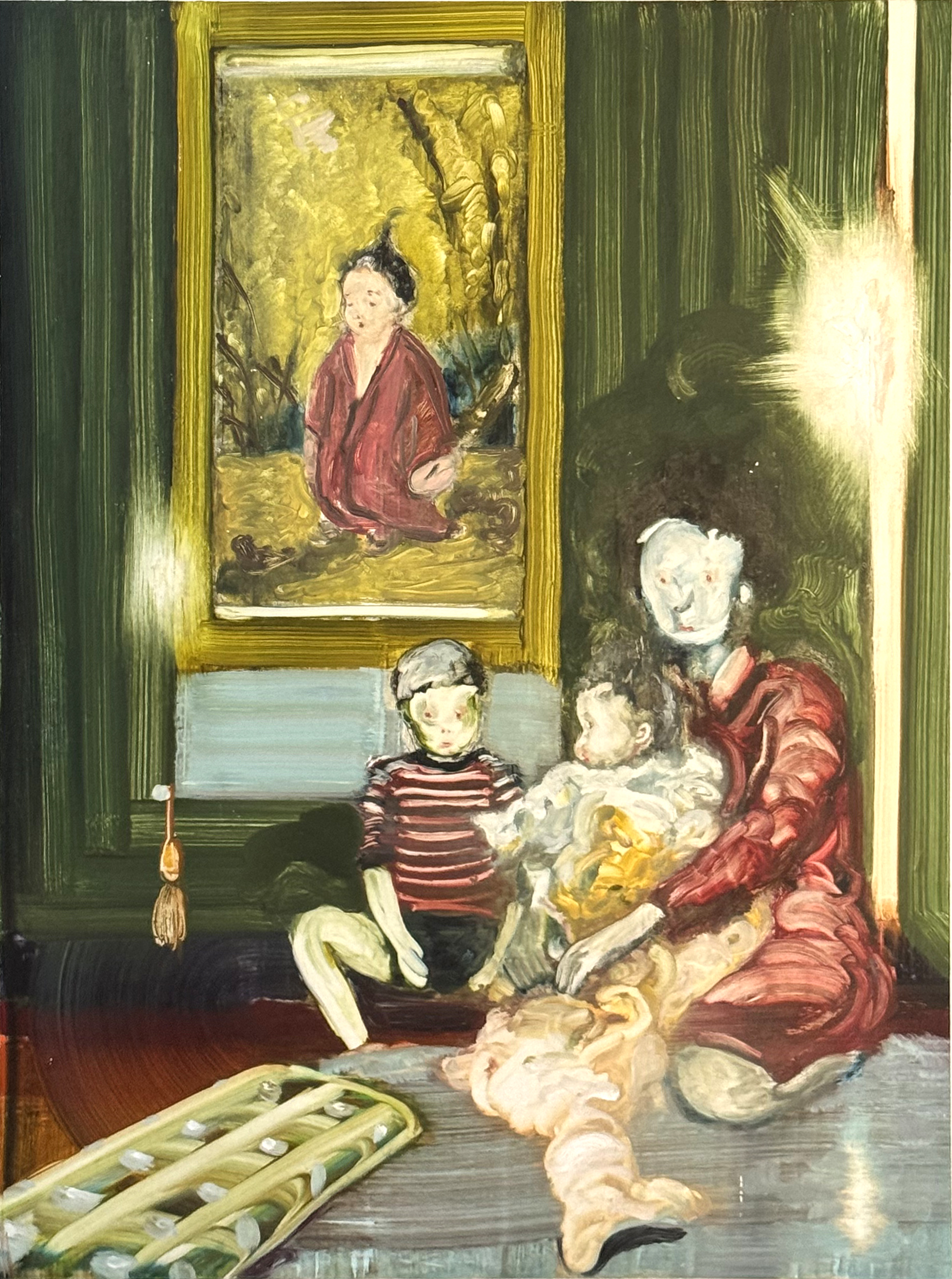
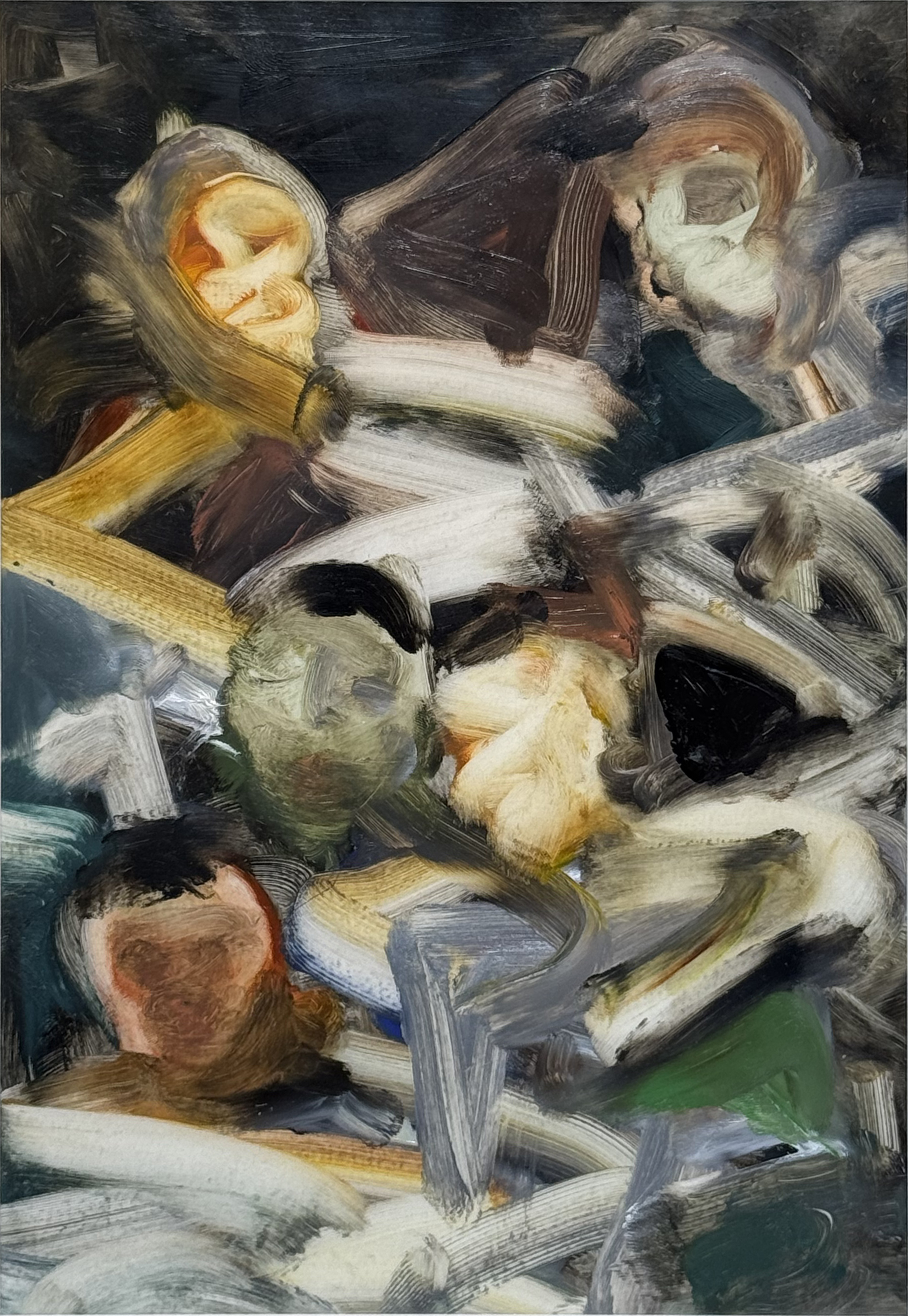
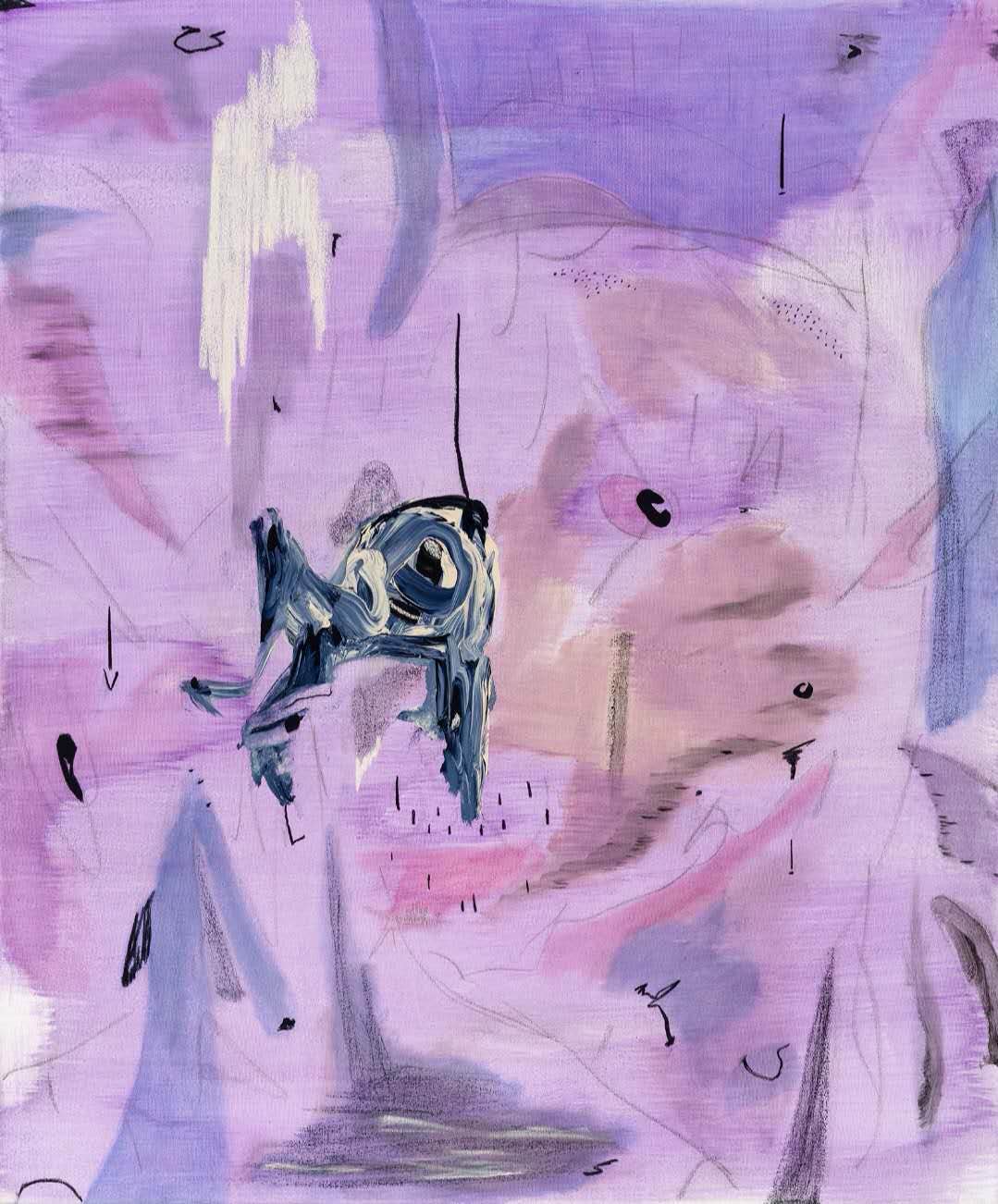
Do we paint what objects are, or what we actually see?
Paint without using pure black.
Artists learn from the past, but transform ideas into something new.
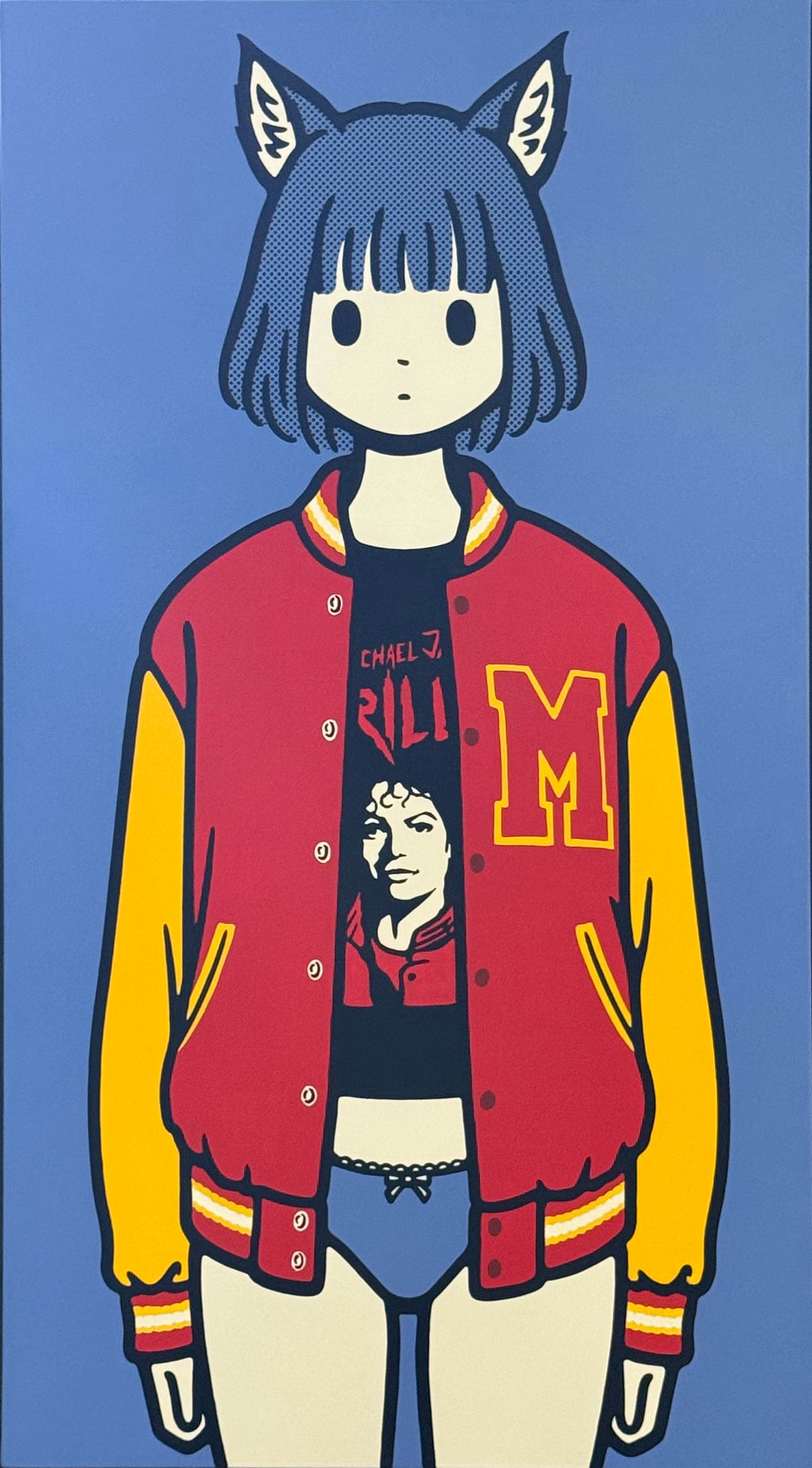
Can any artwork be completely original?
Choose an inspiration and completely transform its meaning.
Art is not only about making objects. An idea itself can become art.

Does the artist create the object or create the meaning?
Turn an everyday object into an artwork through a new idea.
Creativity exists naturally, but keeping creative freedom is difficult.
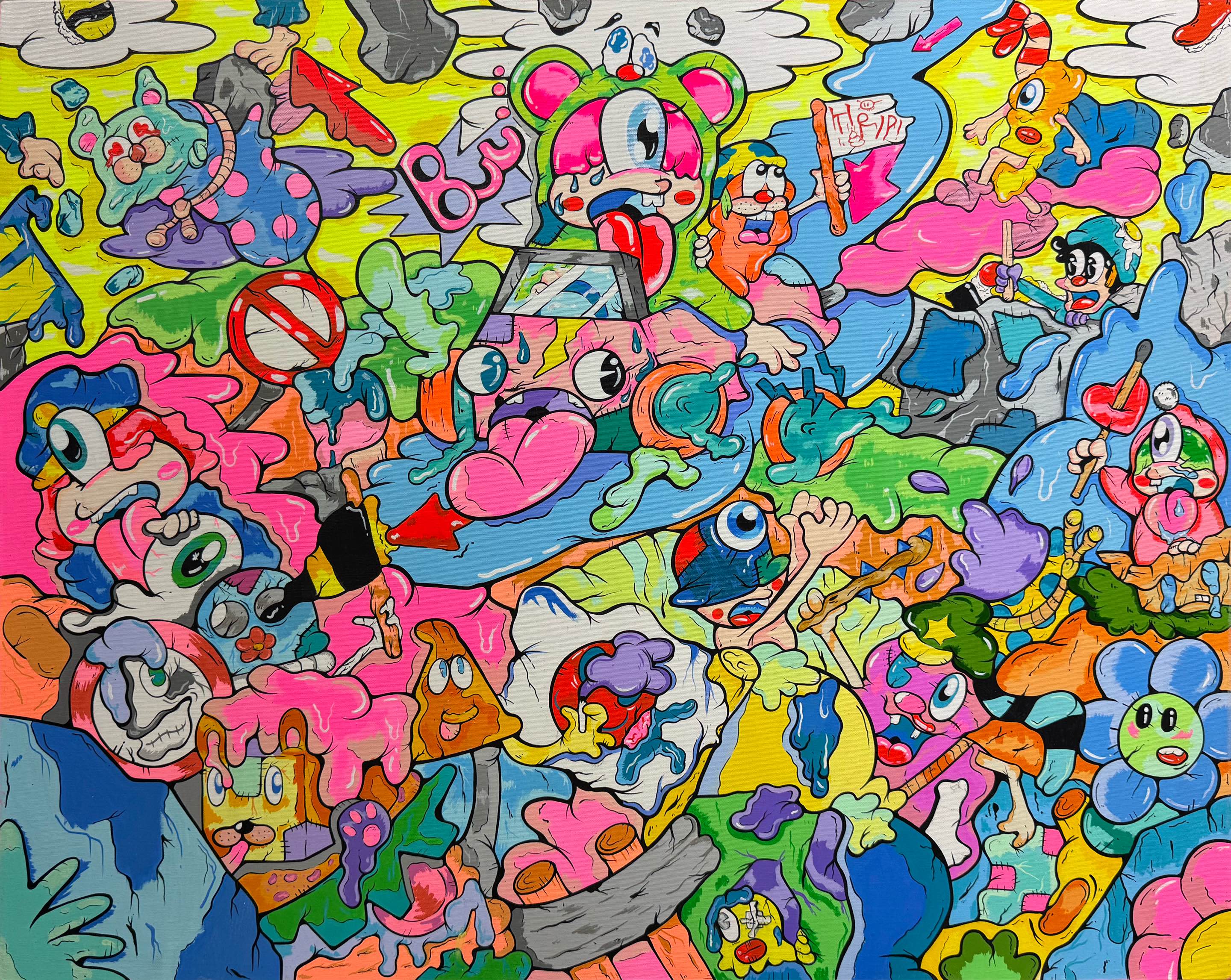
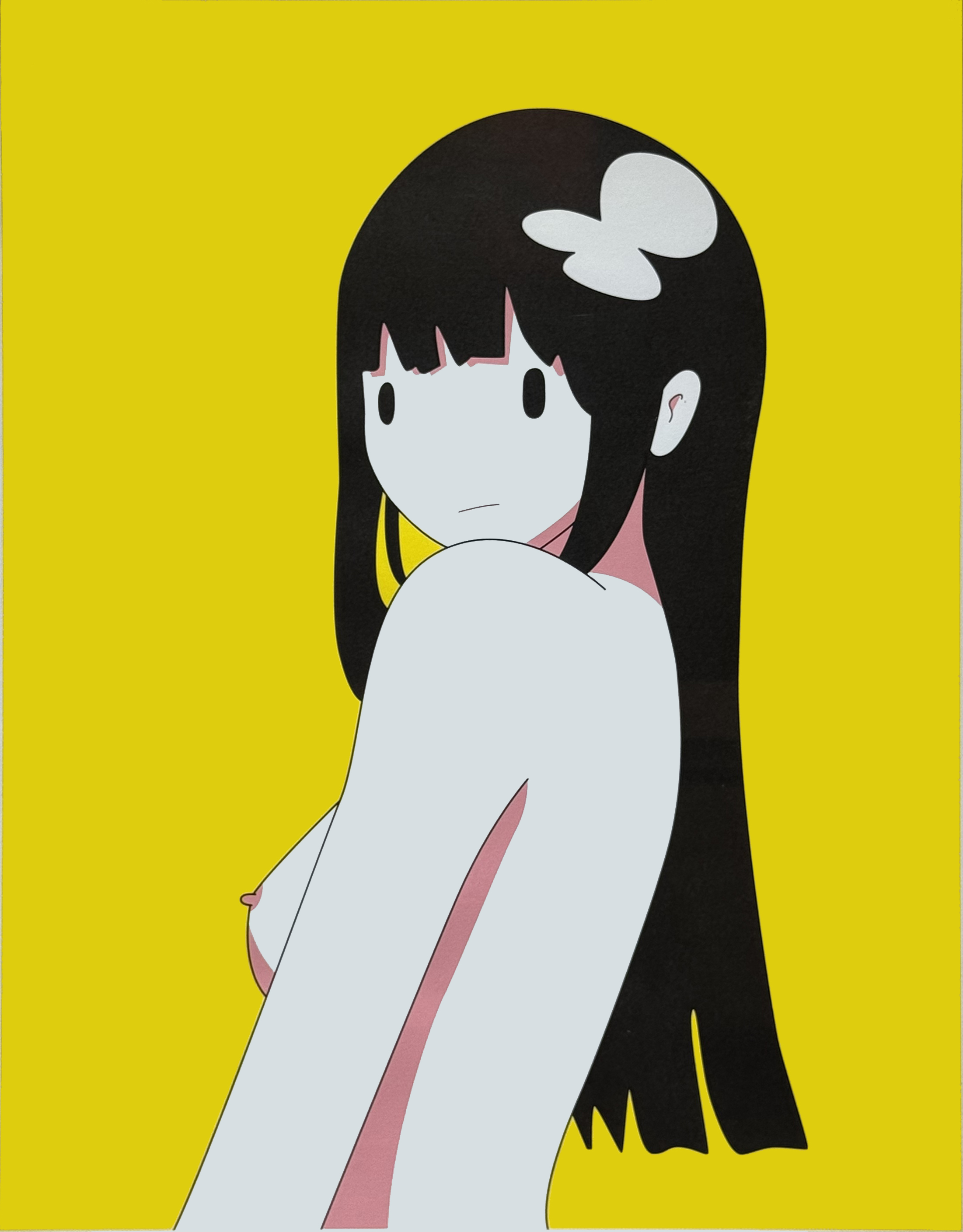
Do rules help creativity or limit creativity?
Create something without worrying about whether it looks correct.
Art can reveal feelings, ideas, and experiences we cannot easily see.
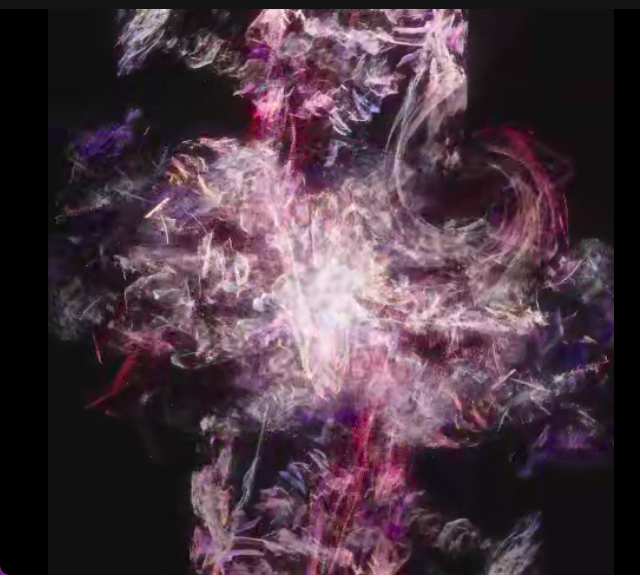
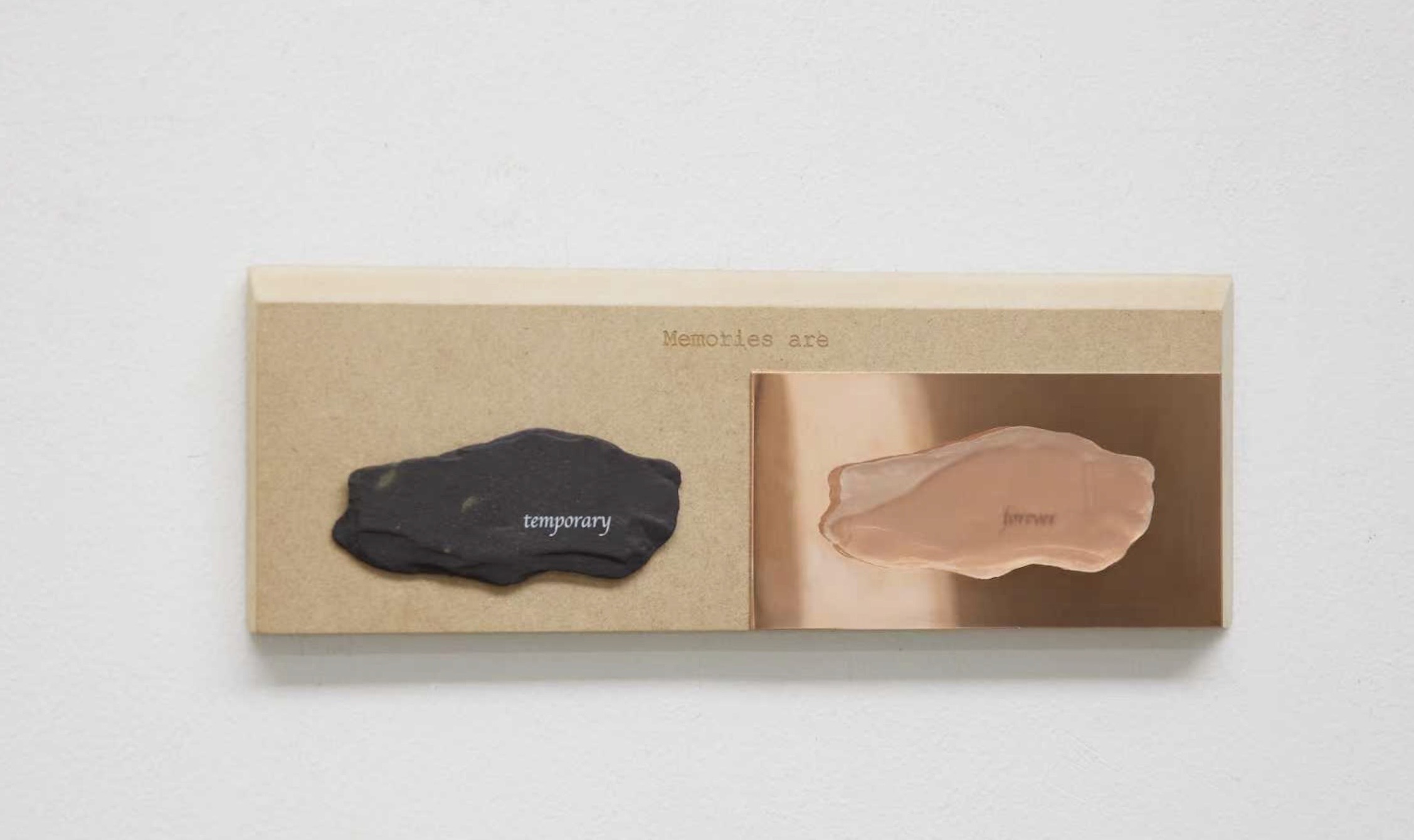
Does art need to look like reality?
Draw an emotion, sound, or memory.
The meaning of an artwork can change depending on who experiences it.
.jpg)
Who creates meaning: artist or audience?
Create an artwork that changes with different viewers.
First questions for entering an artwork without needing expert language.
Questions that connect display, scale, collecting, and museum context.
Questions about form, concept, material, video, and installation.
Questions about collectors, markets, emerging artists, and importance.
Questions about AI, digital preservation, and future-facing art.
Questions unique to learning from a living collection.
Questions that welcome doubt, disagreement, and personal judgement.
Enter the archive through this medium. Select a work, read its record, and return to the question with more evidence.
83Enter the archive through this medium. Select a work, read its record, and return to the question with more evidence.
210Enter the archive through this medium. Select a work, read its record, and return to the question with more evidence.
51Enter the archive through this medium. Select a work, read its record, and return to the question with more evidence.
18Enter the archive through this medium. Select a work, read its record, and return to the question with more evidence.
18Enter the archive through this medium. Select a work, read its record, and return to the question with more evidence.
13Enter the archive through this medium. Select a work, read its record, and return to the question with more evidence.
This introduction frames how LFC works with a real collection partner: not only to show artworks, but to build pathways for looking, questioning, research, and future classes.